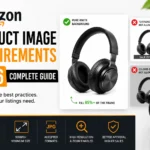
Amazon Product Image Requirements 2026: Complete Guide
Selling on Amazon has never been more competitive. In 2026, product images are no longer just “nice to have” — they directly influence click-through rates, conversion rates, and even listing approval.
Whether you’re a new seller or an established brand, understanding Amazon’s product image requirements is essential if you want your listings to rank, convert, and stay compliant.
In this complete guide, we’ll break down everything you need to know about Amazon image rules in 2026, including main image specifications, secondary image best practices, common mistakes to avoid, and how professional editing can improve both approval rates and sales performance.
Why Amazon Image Rules Matter
Amazon’s marketplace is built around trust and consistency. Buyers expect clean, accurate, and professional-looking listings. That’s why Amazon has strict image policies designed to create a uniform shopping experience.
High-quality product images help sellers:
- Increase product visibility in search results
- Improve click-through rates
- Build buyer confidence
- Reduce returns and complaints
- Boost conversions and sales
- Prevent listing suppression or removal
If your images don’t meet Amazon’s standards, your listings may be rejected, hidden, or flagged for compliance issues.
In short: great images are not optional anymore — they are a competitive advantage.
Main Amazon Product Image Requirements (2026)
The main image is the first thing customers see in search results. Amazon enforces the strictest rules on this image.
1. Pure White Background
The main image must have a pure white background:
- RGB: 255, 255, 255
- HEX: #FFFFFF
This creates consistency across the marketplace and ensures products look clean and professional.
Important:
Off-white, gray, textured, or lifestyle backgrounds are not allowed for the main image.
2. Product Must Fill at Least 85% of the Frame
Your product should occupy most of the image area without being cropped.
Amazon recommends:
- Product fills 85% or more of the image frame
- Minimal empty space around the product
- Clear focus and visibility
Tiny products or excessive margins reduce visual impact and can hurt conversions.
3. Accepted Image Formats
Amazon accepts several file formats, including:
- JPEG (.jpg) — recommended
- PNG (.png)
- TIFF (.tif)
- GIF (.gif) — non-animated only
JPEG remains the preferred format because it balances image quality and loading speed.
4. Minimum Image Size
Amazon requires images to be at least:
- 1000 pixels on the longest side
However, for best performance in 2026, experts recommend:
- 2000 x 2000 pixels or larger
Larger images activate Amazon’s zoom feature, which significantly improves customer engagement.
5. Product Must Be Clearly Visible
The main image should show exactly what customers will receive.
Avoid:
- Hidden product parts
- Excessive props
- Misleading angles
- Over-editing
Accuracy matters for both compliance and customer trust.
Allowed vs. Not Allowed Images
Understanding what Amazon permits — and what it rejects — is critical.
✅ Allowed
- Product on pure white background
- Professional lighting and shadows
- Accurate product representation
- High-resolution images
- Packaging shown (if included)
- Multiple angles in secondary images
❌ Not Allowed
Amazon may reject images containing:
- Logos or watermarks
- Promotional text or badges
- Borders or graphic overlays
- Nudity or inappropriate content
- Drawings or illustrations instead of actual photos
- Blurry or pixelated images
- Multiple unrelated products
- Lifestyle backgrounds in the main image
These violations can lead to suppressed listings or reduced visibility.
Secondary Image Guidelines
Secondary images are where sellers can truly market their products.
Unlike the main image, secondary images allow more creativity and storytelling.
Best Types of Secondary Images:
• Lifestyle Images:
Show the product being used in a real-life setting. This helps buyers imagine ownership.
• Infographics
Highlight:
- Key features
- Dimensions
- Materials
- Benefits
- Comparison charts
• Close-Up Shots
Zoom in on:
- Texture
- Stitching
- Materials
- Special features
Packaging Images
Show customers exactly what’s included.
Size & Dimension Charts
Especially important for:
- Apparel
- Furniture
- Home products
- Accessories
Keep Secondary Images Professional
Even though secondary images are more flexible, they should still:
- Maintain high resolution
- Use consistent branding
- Avoid clutter
- Stay informative and easy to read
Remember: poor-quality secondary images can still hurt conversions.
Common Mistakes Sellers Make
Many Amazon sellers lose sales simply because their images don’t meet expectations.
Here are the most common mistakes in 2026:
1. Using Low-Resolution Images
Blurry images instantly reduce trust and make products appear low quality.
2. Ignoring Mobile Optimization
Most Amazon shoppers browse on mobile devices.
Text-heavy infographics or tiny details may become unreadable on smaller screens.
3. Overediting Product Photos
Excessive retouching can create unrealistic expectations and increase return rates.
4. Violating Main Image Rules
Adding:
- Text
- Props
- Colored backgrounds
- Extra accessories
…to the main image is still one of the top reasons listings get suppressed.
5. Inconsistent Branding
Different image styles, colors, or editing approaches can make listings look unprofessional.
Consistency builds trust.
How Professional Editing Improves Approval & Sales
Professional image editing is one of the smartest investments Amazon sellers can make.
A skilled editing team can help with:
- Background removal
- Shadow creation
- Color correction
- Retouching
- Infographic design
- Resolution enhancement
- Compliance optimization
Professionally edited images not only improve your chances of approval but also increase buyer confidence and conversions.
In 2026, shoppers expect premium visuals. If your competitors have cleaner, sharper, and more informative images, they will likely win the sale.
Professional editing helps your products:
- Stand out in crowded search results
- Look more trustworthy
- Communicate value faster
- Convert more browsers into buyers
Final Thoughts
Amazon product image requirements in 2026 are stricter than ever — but they also present a huge opportunity for sellers who take visual quality seriously.
By following Amazon’s image guidelines and investing in professional editing, you can:
- Improve listing compliance
- Increase click-through rates
- Build customer trust
- Boost conversions and sales
If you want your Amazon listings to look professional, get approved faster, and outperform competitors, expert image editing can make a major difference.
Need Professional Amazon Image Editing?
We help Amazon sellers create:
- Fully compliant main images
- High-converting infographics
- Lifestyle images
- Premium retouching
- Conversion-focused product visuals
Get in touch today and let us help you turn your product images into a powerful sales tool.